Porta Potty Rental Boston: Safety Tips for Temporary Restrooms
When a jobsite gets busy, temporary restrooms stop being a “nice to have” and start being a safety and operations system. In Boston, that system has to handle real weather swings, tight site layouts, frequent deliveries, and a workforce that needs dependable access. Whether you’re planning a construction phase, hosting an outdoor event, or arranging emergency portable toilet rental after an unexpected utility shutoff, the goal is the same: keep people healthy, keep the site compliant, and keep the area around the unit safe.
I’ve seen what happens when a portable toilet is treated like a commodity instead of a piece of site infrastructure. The unit is dropped in the wrong place, people end up using surrounding areas, handwashing plans get forgotten, and suddenly you’re dealing with complaints, slip hazards, and avoidable sanitation issues. The good news is you can prevent most of that with practical decisions made before the first driver pulls up.
Temporary restrooms are part of your safety plan, not an afterthought
A porta potty is not just a privacy box. It’s a barrier that helps control waste, reduce odors, and keep traffic moving without employees wandering off-site. From a safety standpoint, the risks are mostly local and predictable: slips and trips around the base, exposure to waste if units are mismanaged, and skin irritation or illness risk if hygiene doesn’t match how the units are used.
Boston jobs also come with extra site constraints. Many lots have uneven pavement, street access that requires coordination, and neighbors who notice odors quickly. On windy days along the harbor or near exposed sites, splash and debris control matters more than people expect. The unit’s location, setup, and servicing schedule play a direct role in how safe it feels for everyone on the ground.
A solid Porta Potty Rental Boston plan balances three things: correct placement, correct stocking and cleaning, and correct handoff to the people who will actually use the restroom.
Start with the right unit count, not just the cheapest price
It’s tempting to focus on cheap portable toilet rental because budgets get tight fast. I get it. But “cheap” can turn expensive when the unit count is too low and people start cutting corners. Lines form, workers skip breaks, or they use areas they shouldn’t. For events, low capacity can create crowding and off-site use, which brings a different kind of risk entirely.
Portable Toilet Rental companies often offer a range of options, and the difference isn’t only “how many days.” It’s the type of toilet, how it’s stocked, and how frequently it will be serviced. If you’re renting for a multi-day construction phase or a longer outdoor event, the servicing frequency is usually what determines whether the unit stays safe and usable.
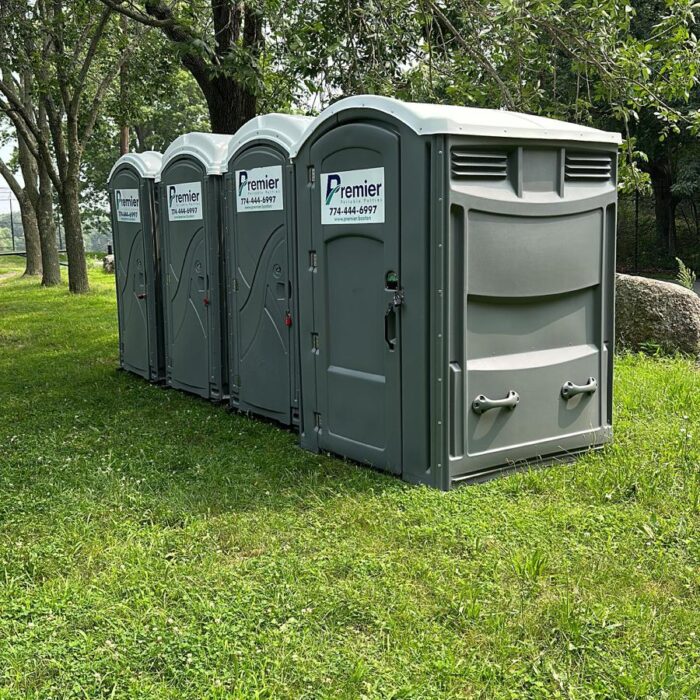
If you’re looking at Portable Toilet Rental offerings in Boston, treat your initial quote as a starting point, not a final answer. Ask what’s included in the weekly service or delivery, how waste is handled, and what happens if your usage changes midstream.
Placement: where the unit sits affects safety more than most people realize
Placement sounds simple until you’re standing on a site with limited space, muddy ground, and multiple trades sharing the area. The portable toilet has to be accessible without forcing people to walk through hazardous terrain or cross active work zones.
A few placement details matter a lot:
- If the ground is soft or uneven, water can pool at the base and create a slip hazard. Even if the unit is delivered in good condition, pooled water around the footprint becomes a problem for footwear and traction.
- If the unit is too far from where workers naturally gather, they will decide it’s easier to “go nearby.” That undermines sanitation and creates risk outside the unit.
- If the unit is placed where it blocks emergency access, you’re creating a compliance issue before anyone uses it.
On a Boston site with narrow access points, I’ve learned to think about pedestrian routes as seriously as vehicle routes. People will choose the path that feels quickest, so you have to give them a safe default.
A practical placement checklist that prevents most issues
- Choose a spot with stable footing and drainage, not low areas where water collects after rain.
- Keep clear access so users do not step through active equipment zones to reach the unit.
- Position it away from building entrances and food service areas to reduce odor and foot traffic conflicts.
- Confirm the pickup route for servicing vehicles, so maintenance does not require risky maneuvering.
- Plan for wind exposure, especially near coastal sites, by avoiding locations where debris blows toward the unit’s openings.
That checklist is short on purpose. The goal is to catch the high-impact mistakes before they become visible problems later.
Stability and anchoring: prevent tipping and reduce slip risk
Most properly delivered portable toilets are designed to sit securely, but “designed” doesn’t mean “no setup needed.” If the site is sloped, if the base is on uneven pavers, or if people have to move around it frequently, you can end up with rocking, shifting, or a gap that collects water.
I’ve also seen the opposite scenario. The unit is anchored, but it’s anchored on the wrong surface, or the area around it isn’t kept clean. In that case, the anchor can become a trip point or a snag hazard for boots.
For Boston contractors, the lesson is straightforward: make sure the unit’s base sits flush and secure on the surface it’s placed on. If the ground can get slick, require attention to the surrounding area, not just the toilet itself.
Ventilation, odor control, and neighbor safety in a dense city
Boston is dense, and “temporary” still means “noticed.” Odor is a usability issue, and usability issues become sanitation issues. When people avoid the unit because it smells strong, they seek alternatives.
Odor control ties into servicing. Portable toilet rental companies manage chemicals and waste handling as part of standard service, but your usage rate affects how quickly the unit becomes unpleasant. That’s why matching capacity and service frequency matters.
For events and construction sites near sensitive neighbors, consider how long the unit will remain between services. If your schedule or weather is unpredictable, you may need a more frequent portable toilet rental cadence than you planned on paper.
There’s also a comfort and safety angle. Strong odors can trigger headaches or nausea for some people, and crowding near the unit can occur when people try to “finish fast.” The safest setup keeps the unit accessible but not surrounded by lingering traffic.
Hygiene and handwashing: the safety gap people forget
A porta potty without a handwashing plan is like a hard hat without a chin strap. People can do everything “right” inside the unit and still touch surfaces with unclean hands afterward.
Many porta potty rentals include certain basic provisions, but handwashing usually requires additional planning. For job sites, that might mean arranging hand sanitizing stations and ensuring workers know where they are. For events, it often means adding sinks or handwashing options near restrooms.
If your site uses disposable wipes instead of soap and water, make sure they are stocked and that disposal is handled responsibly. I’ve watched crews improvise disposal and create small but real sanitation hazards, especially when trash cans fill quickly.
Hygiene also includes spill prevention. A unit can be technically “fine” and still create a slip hazard if the area around it is not kept clean. That’s partly why placement and servicing are inseparable.
Servicing schedules: what changes when usage spikes
The most important safety detail is often invisible: how the unit is maintained between visits. A portable toilet can look clean on delivery day and become a hazard later if the service schedule doesn’t match reality.
Usage spikes happen in Boston jobs for predictable reasons: shift changes, weather that keeps people inside longer, additional subcontractors arriving mid-project, or event programming that drives surges of foot traffic. When spikes happen, waste fill rate and cleanliness drop faster than a “standard” schedule assumes.
Emergency portable toilet rental also changes the servicing conversation. When you’re deploying units due to a sudden issue, there’s no time for a perfect plan. You need a clear maintenance timeline and a communication method for adjustments. If the unit becomes a problem, you want the rental company to respond quickly and professionally, not treat it like a passive delay.
Ask portable toilet rental companies what triggers an unscheduled visit. Some will respond based on time intervals, fill indicators, or observed conditions. Clarify what you should do onsite to report issues early.
Covering special needs: accessible restrooms and safe access routes
Not every workforce has the same mobility needs, and Boston’s public spaces can include steep sidewalks, crowded curb cuts, and uneven outdoor walkways. If you’re serving a mixed group of workers or attendees, you should plan for accessible routes from parking and entry points to the restroom area.
That includes not just getting a suitable unit, but also keeping the approach safe. If the path is muddy, icy, or cluttered with hoses and equipment, accessibility becomes theoretical instead of real.
A good portable toilet rental plan considers the route, not only the unit. If you have snow or freeze risk, make sure the area around restrooms stays visible and passable. A small pile of shoveling debris can become a trip hazard if it blocks the approach.
Weather in Boston: rain, freeze-thaw, and coastal wind
Boston weather has a way of turning small setup choices into major safety outcomes. Rain creates pooling. Freeze-thaw cycles can crack surrounding pavement or shift temporary mats. Coastal winds can scatter debris and paper if the area is not managed.
During heavy rain, the base area can become slick. Even when the toilet itself is stable, the walkway is often the problem. That’s where you see slip-and-fall risk. The safest move is to keep approach areas clean and, when needed, improve the walking surface using appropriate mats or graded placement. Your rental company may offer guidance, but onsite management matters.
In winter months, waste handling and chemical performance can be affected by temperature, and the overall user experience changes when people find it too uncomfortable or inconvenient to use the unit. That indirectly drives safety risk as people look for alternatives. If you anticipate cold snaps, confirm with your provider what cold-weather More helpful hints service practices are in place.
A clear code of conduct reduces misuse and keeps the unit safe
Safety isn’t only mechanical and chemical. It’s behavioral. Users will follow the “flow” around restrooms, especially when the crowd is moving quickly.
If you allow misuse, like dumping inappropriate materials or using the unit as storage, you can create blockages or sanitation issues that affect the entire site. The safer approach is to set expectations early through signage and brief staff reminders, and to ensure waste is handled correctly.
For construction sites, I like to coordinate with the foreman. If they understand what “wrong” looks like, they can correct it quickly. For events, staff coverage near restrooms can reduce crowding and keep lines moving.
This is also where you can connect hygiene to compliance. When people see consistent handwashing availability and clear disposal instructions, the unit stays cleaner and safer.
Choosing portable toilet rental companies in Boston: what to ask before delivery
Not all portable toilet rental companies run their operations the same way. The best providers handle the details you only notice when something goes wrong. You can often find those differences by asking the right questions early.
Here are a few high-value questions to run through:
- What exactly is included in the service plan, including restocking and how waste is handled?
- How often will the unit be serviced for my expected duration and usage level?
- What are the cold-weather or odor-control practices if conditions change?
- Who is responsible for site cleanliness around the unit between services, and what is the response time if there’s an issue?
- Do you offer emergency portable toilet rental adjustments if usage spikes or a second phase starts early?
You do not need a long interrogation. You do need clarity, because temporary restrooms are only as safe as their maintenance schedule and communication.
Common mistakes I’ve seen on Boston job sites
Some issues repeat across projects, regardless of size. Most are avoidable, and they often stem from planning gaps or unclear responsibilities.
One recurring mistake is placing the toilet in the “leftover corner” of the site. It seems efficient until rain hits. Then that corner becomes the mud zone, and people step around it in ways that create hazards. Another is underestimating how many units are needed for shift patterns. If you only plan for steady usage, you end up with lines during shift change, and lines create crowding right where you least want it.
Another mistake is assuming that delivery day service equals ongoing sanitation. You can have a spotless unit at first and still be left with unsafe conditions later if nobody is checking the surrounding area or reporting issues promptly.
Finally, I’ve seen teams skip handwashing planning. They treat the restroom as “complete” without considering how many hands touch door handles, grab surfaces, and phones while using it. The result is a site hygiene gap that spreads beyond the restroom area.
Balancing safety and cost: where spending actually matters
Budget decisions are real, but the safest approach is to spend where it reduces risk, not where it only reduces your invoice. Cheap portable toilet rental can be fine if it includes adequate service frequency, proper restocking, and stable placement support. It’s risky when the “cheap” plan under-supplies capacity or service intervals and counts on people to adapt.
If you want a practical way to evaluate options, ask how the provider will keep the unit usable through the entire rental window, not just at the start. A low price with infrequent servicing can become an expensive problem when users avoid the unit or when you need to add units or upgrade service midstream.
In Boston, you also have to consider logistics cost. A unit that requires risky offloading or long travel paths for servicing can increase response time when issues appear. Sometimes paying a bit more for a provider with smoother local operations is the safety decision you feel later, in fewer disruptions.
Documentation and compliance basics for events and contractors
Even when the situation feels informal, safety planning benefits from documentation. If you’re supporting an event, you may have local expectations around restroom access, placement, and servicing timing. For construction, your safety team will likely need to confirm that sanitation access exists, that units are maintained, and that approach routes do not create hazards.
If you’re working with a rental company, make sure you receive clear information on delivery dates, servicing intervals, and any onsite contact process for changes. If your schedule shifts due to weather or operational delays, that communication becomes the difference between “we’ll handle it” and an unresolved issue.
Keeping basic records also helps when you’re coordinating multiple trades or subcontractors. A short log of service visits and any reported problems can speed up decisions if you need to add units, adjust placement, or request additional attention.
What to do the moment something feels off
Sometimes, problems show up quickly. A strong odor may mean a servicing issue. A puddle around the base may mean drainage is wrong for that day’s conditions. Supplies may run low faster than expected if a crew size changes.
The safest response is not to ignore it and hope it passes. Report it promptly to the portable toilet rental company and assign an onsite point of contact so the issue is not “handled later.” If your contract or service plan includes an escalation method, use it.
Most professional teams want the chance to correct small issues early. It’s much cheaper and safer to adjust location slightly, refresh cleaning attention, or increase servicing frequency when the problem is small.
When emergency rentals become the main solution
Emergency portable toilet rental is a different experience because it often starts under pressure: a sanitation system fails, a facility is closed, or a storm disrupts access. In that context, safety depends on speed and setup accuracy.
If you’re arranging emergency coverage, focus on three immediate priorities. First, place units where people can safely access them right away, even if conditions are temporary. Second, clarify servicing expectations so the units remain usable beyond the first few hours. Third, communicate clearly to users where the restrooms are and how to access them safely.
Emergency situations can also create confusion. Staff may not know the locations, and attendees may wander. A quick signage update and brief staff presence near the unit can prevent the kind of off-site use that turns a temporary disruption into a longer cleanup job.
Final thoughts on safer temporary restrooms in Boston
A porta potty is one of those services that feels simple until it isn’t. The safety comes from the details: stable placement on safe footing, approach routes that don’t turn into slip hazards, hygiene support that respects how people actually use the space, and servicing schedules that match the real rhythm of your site.
If you’re planning Porta Potty Rental Boston for a job site or an event, don’t just compare pricing. Compare how each provider handles placement support, what’s included in Portable Toilet Rental services, how they adjust when usage spikes, and how they manage emergency needs. The best rental plan is the one that keeps the restroom area clean, accessible, and reliable from the first delivery to the last pickup.
Premier Portable Potties
35 Industrial Dr, East Bridgewater, MA 02333, United States
(774) 444-6997
[email protected]
website: https://www.premier.boston/