Portable Toilet Rental Companies in Boston: How to Compare
When you need a Portable Toilet Rental in Boston, you are usually solving a problem that cannot wait. Construction schedules run tight, event permits come with conditions, and weather has a way of turning “later” into “right now.” The tricky part is that portable toilet rental is one of those services where the surface looks the same across providers, but the details decide whether your site runs smoothly or turns into a daily headache.
I have watched good plans fall apart because the wrong unit count was ordered, the wrong placement was chosen, or the wrong servicing cadence was assumed. I have also seen modest setups work great when someone asked the right questions up front and matched the Portable Toilet Rental to the actual usage.
Below is a practical way to compare portable toilet rental companies in Boston, with an emphasis on the real-world factors that matter: unit types, service frequency, delivery and pickup reliability, site requirements, and total cost.
Start with your use case, not the toilet
Before you compare quotes, get clear on what you are actually renting. The phrase portable toilets on rent covers everything from short-term backyard events to multi-week construction work, but the rental strategy should change.
If this is an event, the biggest variable is peak usage. A wedding crowd and a high-traffic street event can both have long lines, but the pattern of demand is different. If it is construction, the driver is shift length and crew size, and the unit needs to handle steady use without becoming gross or unusable.
Emergency portable toilet rental is a separate category in practice. “Emergency” usually means you need fast delivery, but it also often means the job site is already in motion. That changes what information you can provide and what mistakes you can afford.
In Boston, you also have city logistics to consider. Narrow access points, permit constraints, loading zone realities, and the need to keep paths clear can all influence whether a “cheap portable toilet rental” quote is truly cheap once you factor in delivery labor and placement assistance.
Compare unit types the right way
Most people start with “How many units do I need?” and that is the right instinct. But you also need to compare what kind of toilet you are actually getting. Different types solve different problems, and swapping one category for another can be the difference between acceptable and miserable.
Here is how I think about the common options without getting lost in brand names.
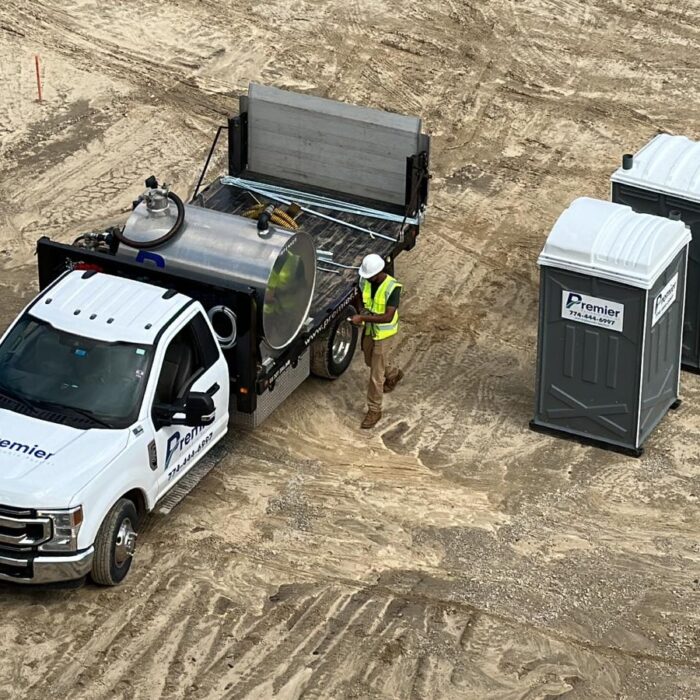
Standard portable toilets
A basic portable toilet is usually the default for construction and many outdoor events. The trade-off is that odor control and cleanliness depend heavily on servicing schedule and proper waste treatment. If a provider offers standard units but has infrequent pump-outs or a slow response time, you will feel it quickly, especially in warmer months.
Handwash and “comfort” add-ons
Some rentals include sink stations or handwash units, and others offer upgrades like enhanced ventilation or more refined interiors. These can materially improve user experience at events, but they increase complexity. You want to confirm placement requirements, setup time, and whether refills or servicing are included.
ADA and accessible units
Accessible portable toilets are not interchangeable with standard units, and they portable toilets to rent often have specific placement considerations. If you are required to provide accessible facilities, don’t treat it like a last-minute add-on. Confirm whether the accessible unit is actually ADA-compliant for your needs, and ask how they handle delivery on uneven surfaces or near walkways.
Waste management options
Most reputable portable toilet rental companies manage waste responsibly, but the right question is how the service plan works for your timeline. For instance, a multi-day event might rely on pump-outs, while a longer project might include recurring servicing visits. You want clarity on how often they service and who is responsible for keeping the area around the units clean.
The quote should include service cadence, not just delivery
One of the biggest differences between providers is the service cadence. Two companies might both list “portable toilets on rent,” but one is selling a “drop and leave” model, and the other includes scheduled servicing with defined intervals and response times.
Ask whether the price includes:
- delivery and pickup,
- on-site servicing visits during your rental window,
- restocking of supplies if handwash or consumables are part of the package,
- and what happens if usage spikes beyond what you planned.
The word “included” can hide a lot. For example, some providers include a single servicing for certain rental durations, while others include multiple visits depending on unit count or days on site. If you are expecting a specific usage pattern, the servicing plan needs to match it.
In my experience, people get surprised when they assume “they will come when it’s bad.” A professional provider can forecast realistic schedules based on typical usage, your event type, and local conditions. If you cannot get that conversation, the quote is missing critical information.
Delivery and placement: Boston adds friction
Boston is compact, but it is not simple for logistics. Even when you have a loading zone, you still need someone to place the units safely and in the right locations.
A delivery price that looks reasonable might change after you confirm:
- the path from the truck to the placement spot,
- whether you have to work around sidewalks, fences, or landscaping,
- how close the unit can be set relative to access routes,
- and whether you need additional labor or a specific placement arrangement.
If you are renting for a construction site, verify whether the provider needs a designated marshal or whether they coordinate placement with the site supervisor. If you are renting for a community event, verify who controls the space and whether you need to keep egress routes clear.
Also ask about timing. If you need units by a certain hour, ask how they schedule delivery windows and how late they can arrive. Emergency portable toilet rental is often the category where timing questions matter most, because the whole project is already under pressure.
Total cost is usually about the “hidden” variables
Price comparison should not stop at the line-item total. In practice, the final cost often changes based on how the rental is configured and serviced.
Things that can change your total cost include:
- How many units you truly need. Under-ordering is the cheapest option upfront and the most expensive outcome when you end up with long waits, complaints, and last-minute reorder fees.
- How long the rental actually lasts. Rain delays and schedule changes happen in Boston, especially with outdoor permits and construction phases. If the rental window shifts, you want to know how pricing adjusts.
- Service frequency. A higher service cadence costs more, but it often prevents you from losing control of cleanliness and supply levels.
- Additional service requests. If you need extra pump-outs due to event attendance, or you discover you placed units too far from a practical access route, you may trigger extra charges.
- Accessories. Handwash, lighting, privacy screens, signage, and ADA units can change the cost structure.
When someone tells you “it’s cheap,” your follow-up should be straightforward: cheap relative to what, and for what service plan? A cheap portable toilet rental can be a good deal if it matches your use case and the provider services reliably. It is a bad deal when it comes with an underfunded servicing schedule.
Ask questions that reveal how the company operates
You can learn a lot in five minutes by asking the right questions. Here is a short list I use when comparing providers, especially portable toilet rental companies that serve events and construction sites.
- What service schedule is included, and how is it calculated for my rental length and expected usage?
- What is the pickup and turnaround process if the site needs to change dates?
- How do you handle emergency portable toilet rental, including estimated delivery time and required site details?
- Do you supply and service handwash stations, and what is included for refills and restocking?
- Who is responsible for cleaning the area around the units, and how is that documented?
If a provider answers clearly, they can usually support the conversation with a simple service plan. If they dodge specifics, you are guessing, and guesswork is costly when you are renting for public-facing situations or permit-requiring work.
Sizing: where most people get it wrong
Deciding on unit count is the part everyone wants to do quickly, but it is also where mistakes stack up. You can compensate for a small undercount with better servicing and strategic placement, but you cannot fully “service your way out” of too few toilets when demand peaks.
A good approach is to think in terms of:
- how many people will use facilities during peak hours,
- how long the rental window is,
- and whether access is easy or constrained.
For short events, the pattern of usage can be intense. For construction, demand is steadier but concentrated in specific shifts. Also, conditions matter. If units are placed in a spot with limited access, usage can drop, but complaints can rise because people see the setup as inconvenient or unsafe.
If you are unsure, ask providers how they typically size units for your type of job. Reputable teams have seen similar setups across Boston neighborhoods and can point you toward a conservative recommendation. You should still verify based Check over here on your own estimates, but you want your provider to bring experience rather than guesswork.
Placement and ground conditions can make or break the experience
Even when you order the right unit count, placement determines whether people can use the toilets comfortably and safely.
A few real-world placement considerations:
- Units should be placed on firm, stable ground to avoid rocking or uneven access.
- Keep them near a clear path so people are not navigating hazards.
- If you are near walkways, consider how wind and odor might drift toward seating or entrances.
- For events, make sure the units align with signage and crowd flow, not hidden corners.
Boston often involves sidewalks, curb lines, and street-adjacent setups. A provider that asks about your placement plan is doing you a favor. A provider that drops units anywhere and hopes for the best is taking a risk with your site.
Cleanliness standards: what “serviced” actually means
Servicing includes more than emptying waste. The user experience depends on how supplies are managed, how floors and surrounds are treated, and how quickly issues get addressed.
When you talk about portable toilets on rent, ask how the company defines “servicing.” Is it purely pump-out and restock, or is there a broader cleanliness routine? For events, you might also care about what happens between servicing visits. For construction, you care about consistency across shifts.
Also ask how they handle restocking consumables. If your rental includes sanitizer, paper, or handwash components, confirm who refills what and how they prevent shortages. I have seen situations where the unit is “serviced” on paper, but the reality is users run out of essentials halfway through a long day.
Weather and seasonality matter more than people think
Boston weather has a way of changing the problem. In summer, heat makes odors and waste management more sensitive. In shoulder seasons, damp conditions can affect the surrounding area and make entrances slippery or unpleasant.
If your rental window runs into rain or fog, ask the provider whether they adjust servicing frequency or how they manage odor control in wetter conditions. You do not need a dramatic sales pitch. You need practical handling. A solid company will have routines for seasonal challenges.
Also consider wind direction. Placement can reduce odor complaints significantly. If your provider understands how to think about location and airflow, it is a good sign.
When you need emergency service
Emergency portable toilet rental is stressful because details are incomplete. You might not have exact placement measurements, and you might be trying to solve a public health or site access problem immediately.
In these situations, compare companies on two things: 1) how quickly they can deliver, 2) how clearly they can tell you what they need from you to complete the job safely.
Emergency providers should be able to communicate required site information, such as:
- exact delivery address,
- placement location and access constraints,
- whether there is an elevator, steep slope, or narrow path,
- and who will be available to receive delivery or coordinate access.
If you are comparing two providers and one gives vague answers about timing and site requirements, that is your warning sign. A fast delivery is only useful if the units are placed correctly and can be serviced on schedule after the initial drop.
Permits, accessibility, and event requirements
Boston events often involve rules and expectations around facilities. Sometimes this is formal permitting, sometimes it is venue policy, and sometimes it is simply a neighbor or community requirement.
Even if you are not legally required to provide certain facilities, you will still want to plan for accessibility and basic comfort. ADA units are not optional in many contexts. Accessible routes matter for user safety.
The key is to ask your provider how they support compliance needs. A good portable toilet rental company will discuss unit options and placement planning with you, not just take your order.
A practical comparison method you can use today
If you want a quick, defensible way to compare portable toilet rental companies in Boston, use the same checklist for every quote. Don’t rely on the first number you see.
In your comparison, align these items:
- number and type of units (standard, accessible, with handwash if needed),
- servicing frequency during your rental window,
- delivery and pickup timing and what affects it,
- placement assumptions (distance from truck, site access constraints),
- and what is included versus what triggers additional charges.
If two quotes differ, force clarity. Ask why. If a provider can explain the differences in plain language, you are comparing apples to apples. If you cannot get explanations, you are comparing guesses.
Trade-offs you will actually face
Portable toilet rental is full of trade-offs. Sometimes you choose based on budget, sometimes on user experience, and sometimes on operational reality.
Here are a few trade-offs I have seen repeatedly:
- Lower cost versus higher servicing. You can reduce cost with fewer units or less frequent servicing, but that often becomes a cleanliness and supply problem for users.
- Convenient placement versus site constraints. The most convenient placement for users might require access adjustments or extra labor for the provider.
- Standard units versus comfort upgrades. Comfort matters more for events than for construction, but construction crews are also people, and usable facilities reduce friction.
- Short-term rentals versus long-term consistency. A one-day event can survive a less sophisticated setup. Multi-week projects need consistent service discipline.
A provider who helps you make trade-offs based on your scenario is worth more than a provider who simply discounts a base price.
Common mistakes to watch for
Even with good intentions, mistakes happen. The good news is they are predictable, which means you can prevent them.
- Assuming the quote includes extra servicing “if needed.” Ask about what “needed” means and how it is billed.
- Picking a delivery spot without thinking through access for the servicing vehicle.
- Underestimating peak use at events and then trying to fix it mid-stream.
- Treating an accessible unit as interchangeable with a standard unit.
- Ignoring signage. People look for guidance, and confusion increases line length even when you have enough toilets.
If you take nothing else from comparing providers, take this: ask for clarity on service cadence and what triggers additional costs.
What “professional” looks like in a Boston rental company
You can tell a lot about portable toilet rental companies in Boston by how they communicate during the quote process. A professional company:
- confirms details instead of guessing,
- asks site-specific questions,
- provides a service plan you can understand,
- and responds quickly when timing is tight.
You do not need them to be flashy. You need them to be consistent. If you are managing a site, you want fewer surprises, not more.
Final guidance before you sign
If your goal is Porta Potty Rental Boston support that is actually dependable, treat the quote like a contract in motion. Verify:
- the unit types,
- the servicing schedule and responsibilities,
- the delivery and pickup timing,
- and how they handle emergency portable toilet rental if your situation changes.
A good provider makes the process feel calmer, even when your timeline is not. When you match portable toilets on rent to the real usage and confirm how the units will be maintained, you end up with something rare in busy jobs and events: facilities that do what they are supposed to do, without becoming a daily problem.
If you want to share your event type or project timeline, I can help you translate your situation into the questions to ask and a sensible way to compare quotes across portable toilet rental companies.
Premier Portable Potties
35 Industrial Dr, East Bridgewater, MA 02333, United States
(774) 444-6997
[email protected]
website: https://www.premier.boston/